Electrical parameter monitoring solves the basics of visualization. It allows users to know whether the current voltage is normal, whether the current is too large, how the power load changes, how much power consumption is, and whether the power factor and harmonics are abnormal.
This data is very important and is the basis of digital power distribution. But underlying data does not automatically equal diagnostic capabilities. Without models and logic, the platform simply moves live numbers to the screen.
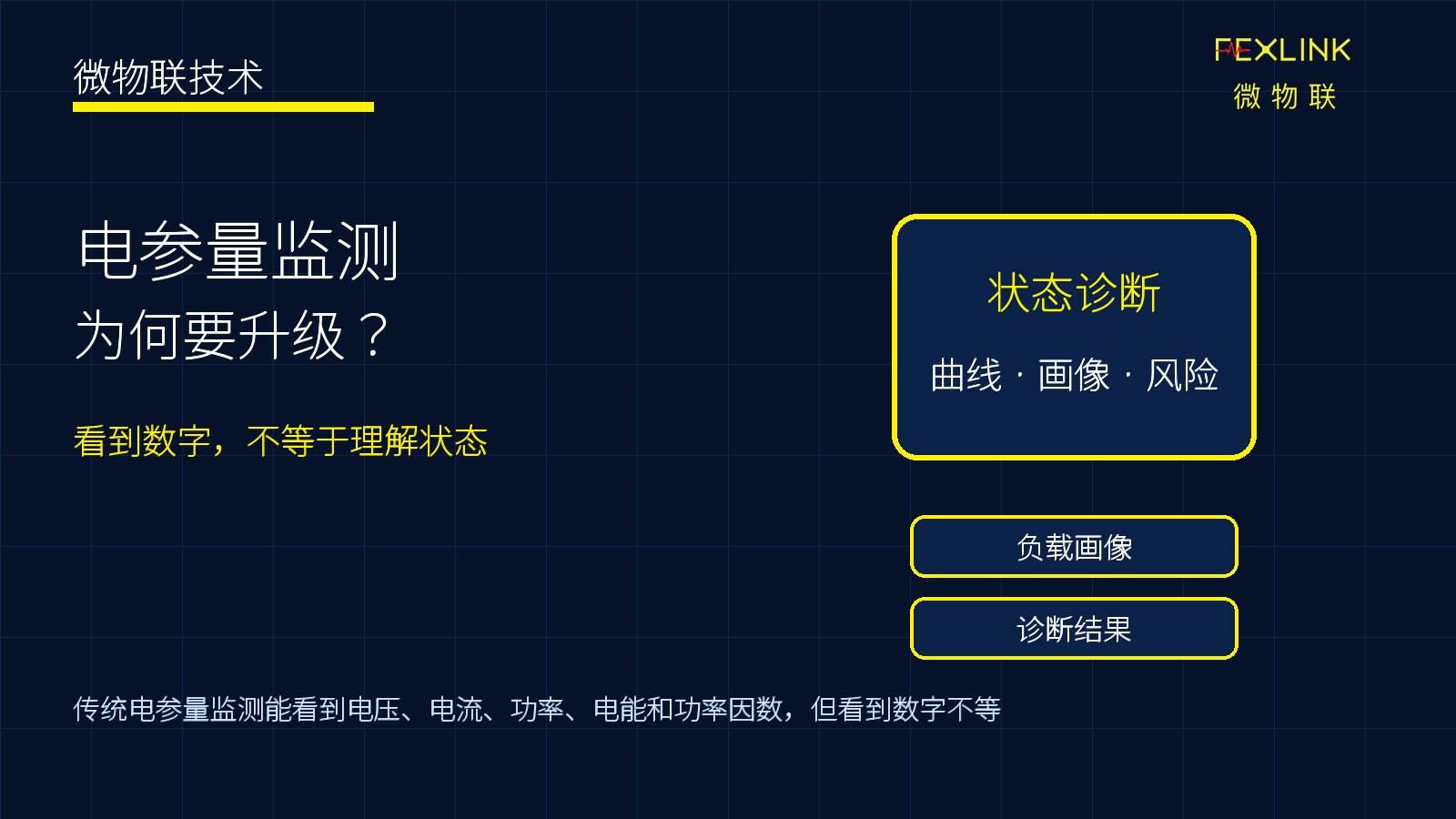
2. Why just looking at electrical parameters is not enough
When you see an increase in current, you don't necessarily know whether it's normal production, equipment anomalies, or overload risks; when you see voltage fluctuations, you don't necessarily know whether it's power supply quality, load impact, or contact problems; when you see a rise in temperature, you don't necessarily know whether it's an environmental impact or a hidden contact hazard.
The difficulty of digital power distribution is to explain the reasons behind the numbers. Otherwise, operation and maintenance personnel still need to find clues in a large number of curves based on experience.
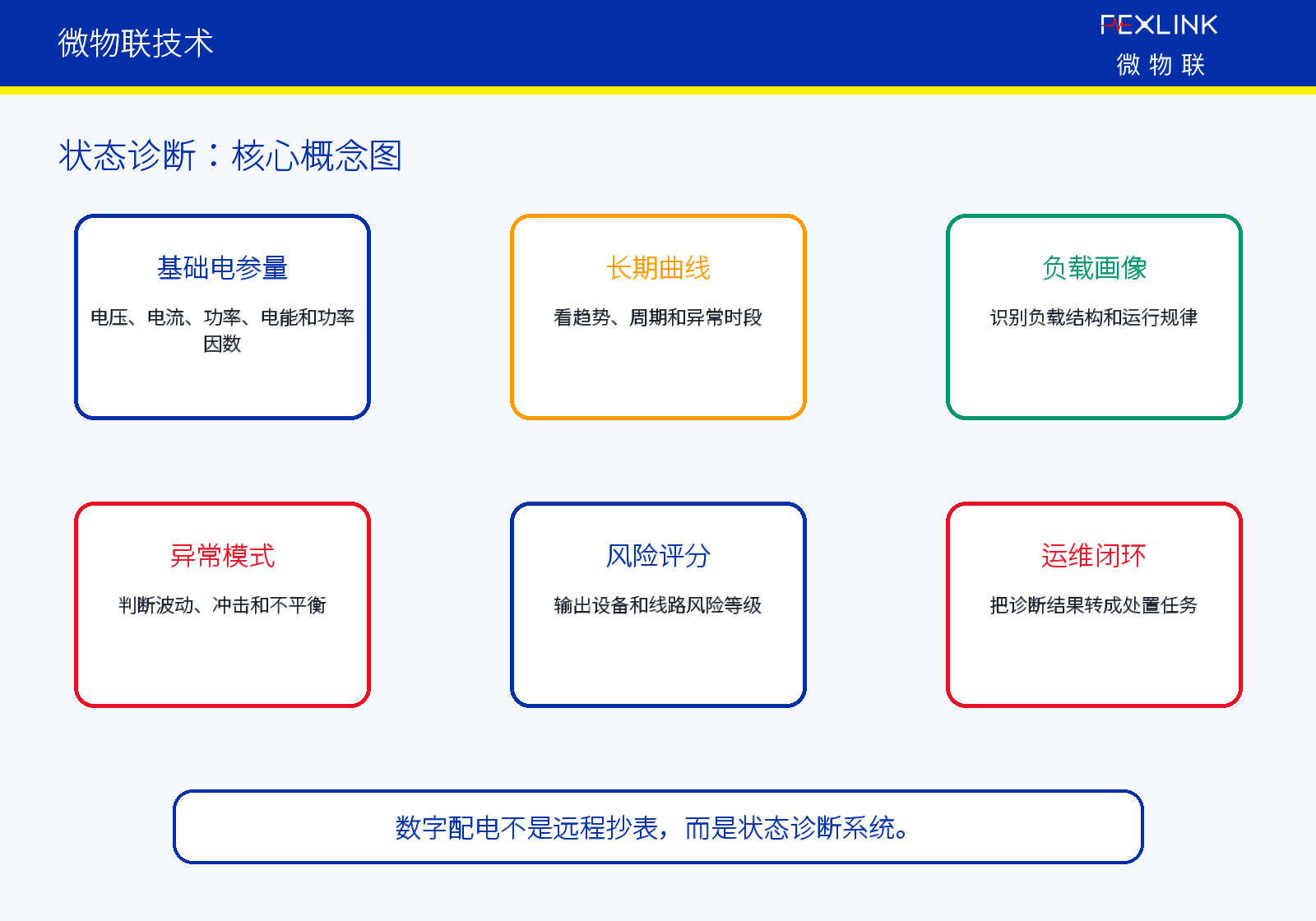
3. What questions should be answered in status diagnosis?
Status diagnosis must answer at least five types of questions: whether the equipment is healthy, whether the line is abnormal, whether the load is reasonable, whether the risk has increased, and whether maintenance is needed. It focuses not just on the current value of the data, but on long-term trends, pattern changes, and unusual combinations.
For example, if the current in the same circuit gradually increases, the temperature rises simultaneously, and the harmonics change significantly, it may indicate a load or contact status problem; if the voltage fluctuates frequently and equipment alarms increase, you need to pay attention to the power supply quality and the impact of sensitive equipment.
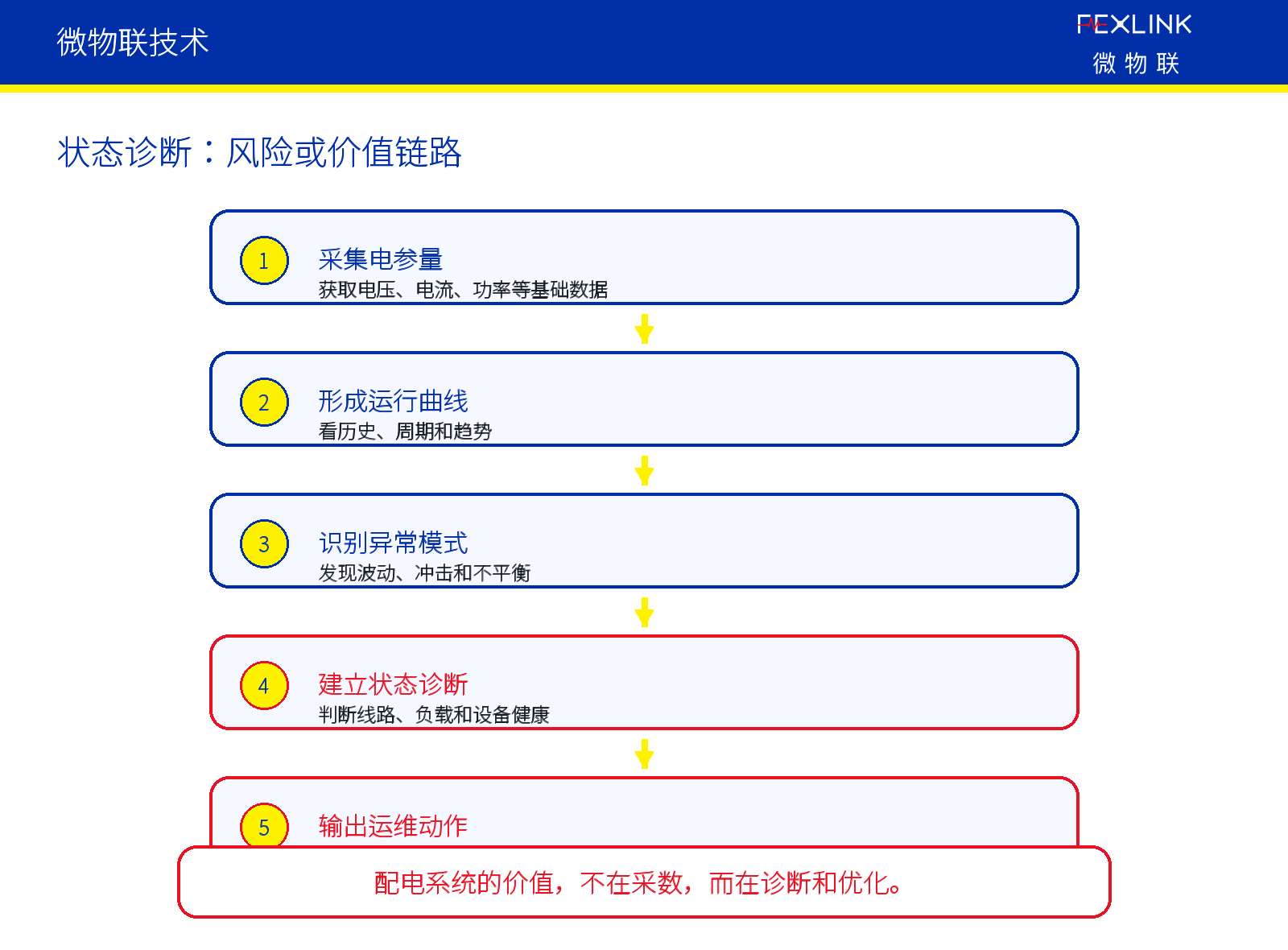
4. How digital power distribution develops diagnostic capabilities
Digital power distribution needs to combine electrical parameters, equipment status, environmental conditions and operation and maintenance records to form load portraits, abnormal patterns, risk scores and disposal recommendations. It is not an upgraded version of remote meter reading, but an interpretation system of the operating status of the power distribution system.
The terminal side device is responsible for high real-time collection and preliminary calculation, and the platform side is responsible for trend analysis, cross-site comparison, and closed-loop operation and maintenance. Only by combining the two can we move from monitoring to diagnosis.
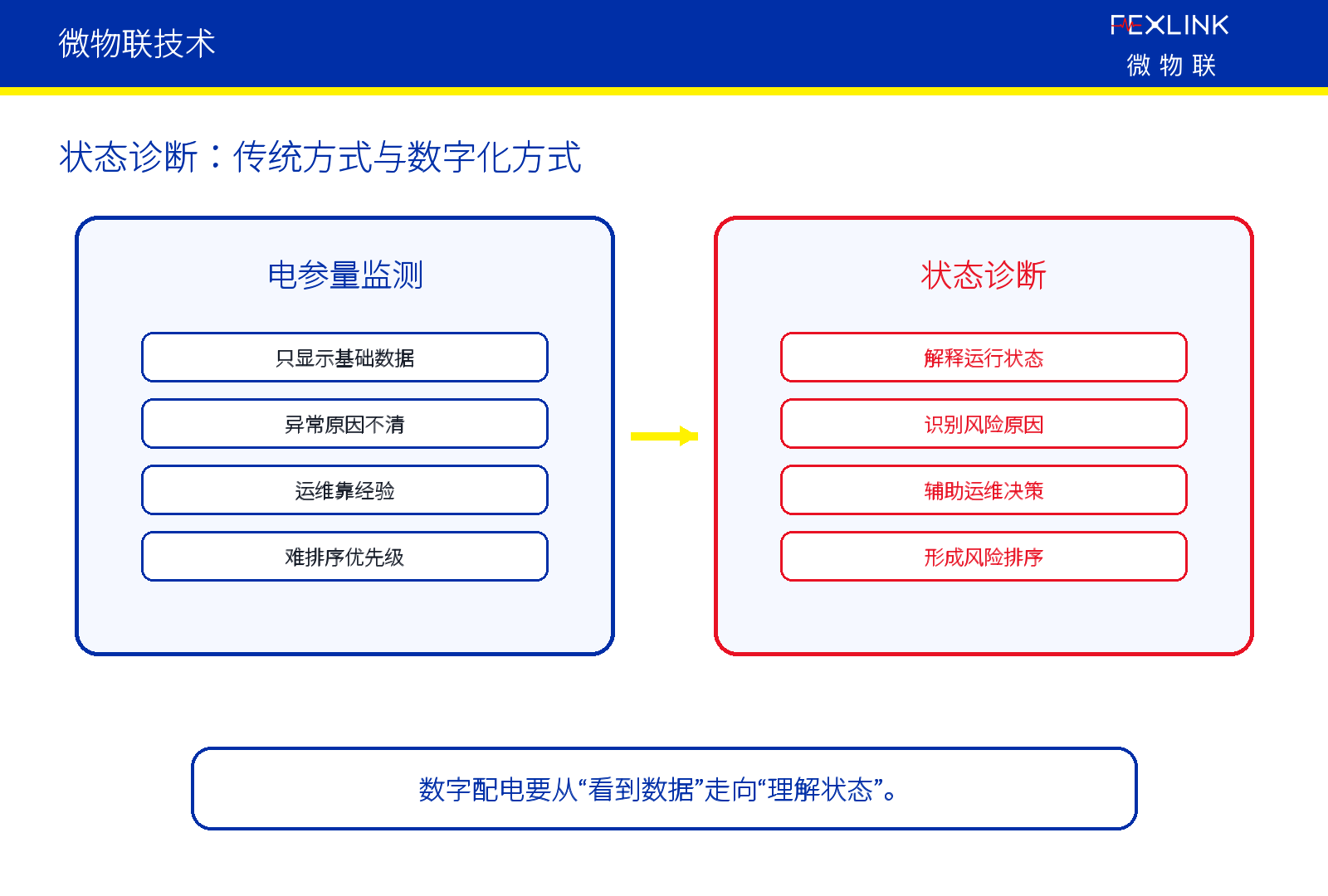
5. How does FEXLINK understand digital power distribution?
FEXLINK believes that the core of digital power distribution is not "equipment online", but "status can be known, risks can be judged, and energy efficiency can be optimized." What FEXLINK wants to do is to produce data from electrical signals that can be used for diagnosis, early warning and optimization.
Digital power distribution has real management value when power distribution data can explain equipment status, line risks and load patterns.
Conclusion: Digital power distribution must move from seeing numbers to understanding.
Electrical parameter monitoring is the foundation of digital power distribution, but it is not the end point. True digital power distribution requires transforming data into diagnosis, diagnosis into action, and action into long-term operation and maintenance assets.
FEXLINK technology will continue to share content related to intelligent lightning protection, early warning of electrical safety, digital power distribution, energy supervision and industrial Internet of Things.
FEXLINK/FEXLINK uses data to reconstruct energy efficiency and electrical safety.
Where there is electricity, there is FEXLINK.