Poor contact may manifest as an increase in temperature, but the current may not increase significantly; insulation degradation may manifest as an increase in leakage trends, which are also affected by environmental humidity; arc risks may manifest as abnormal waveforms, high-frequency pulses, and intermittent changes; overload problems may cause current, temperature, and voltage disturbances at the same time.
Therefore, real early warning cannot only look at a certain point, but depends on whether multiple signals change together in the same time period.
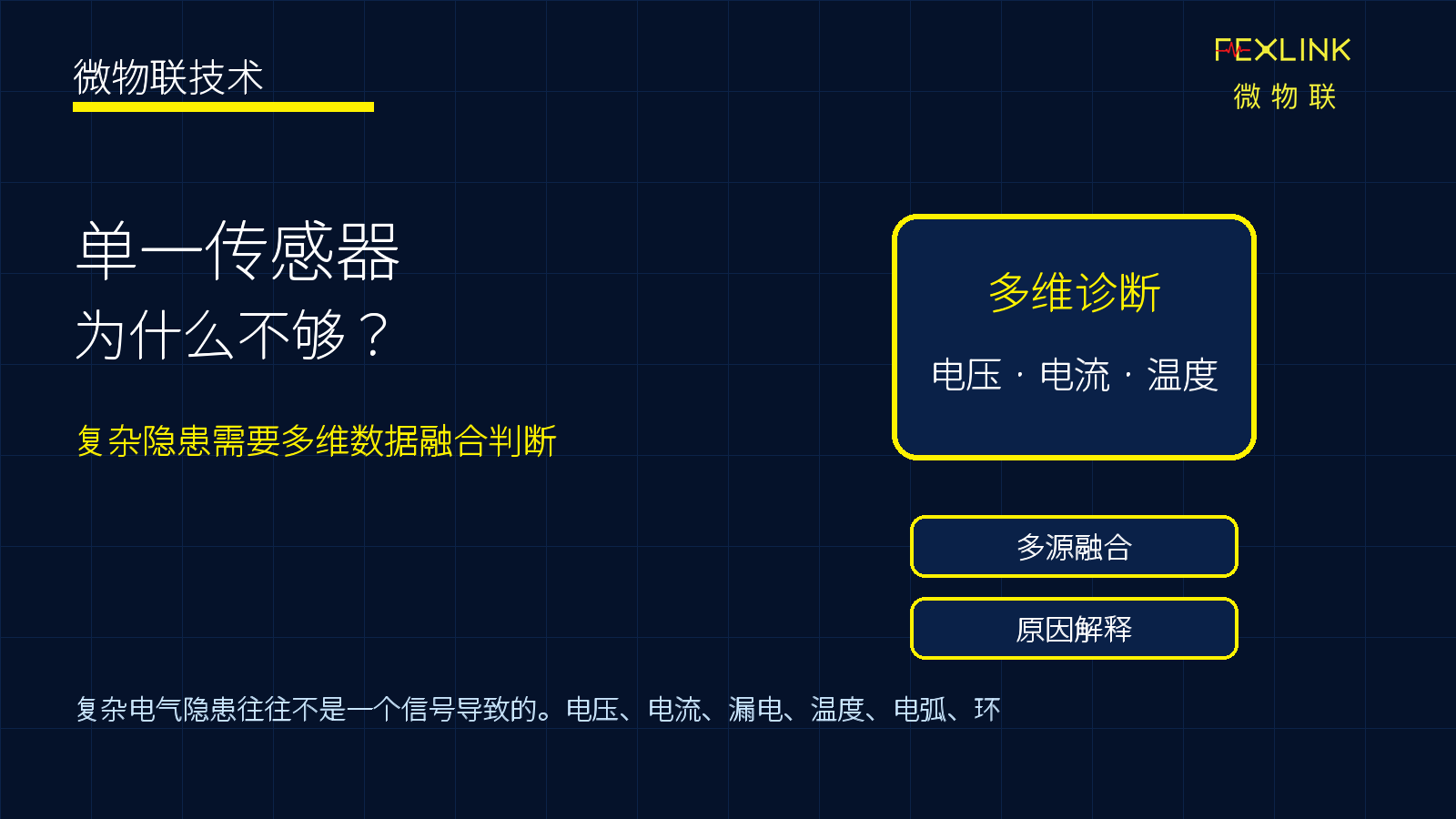
2. What are the limitations of a single sensor?
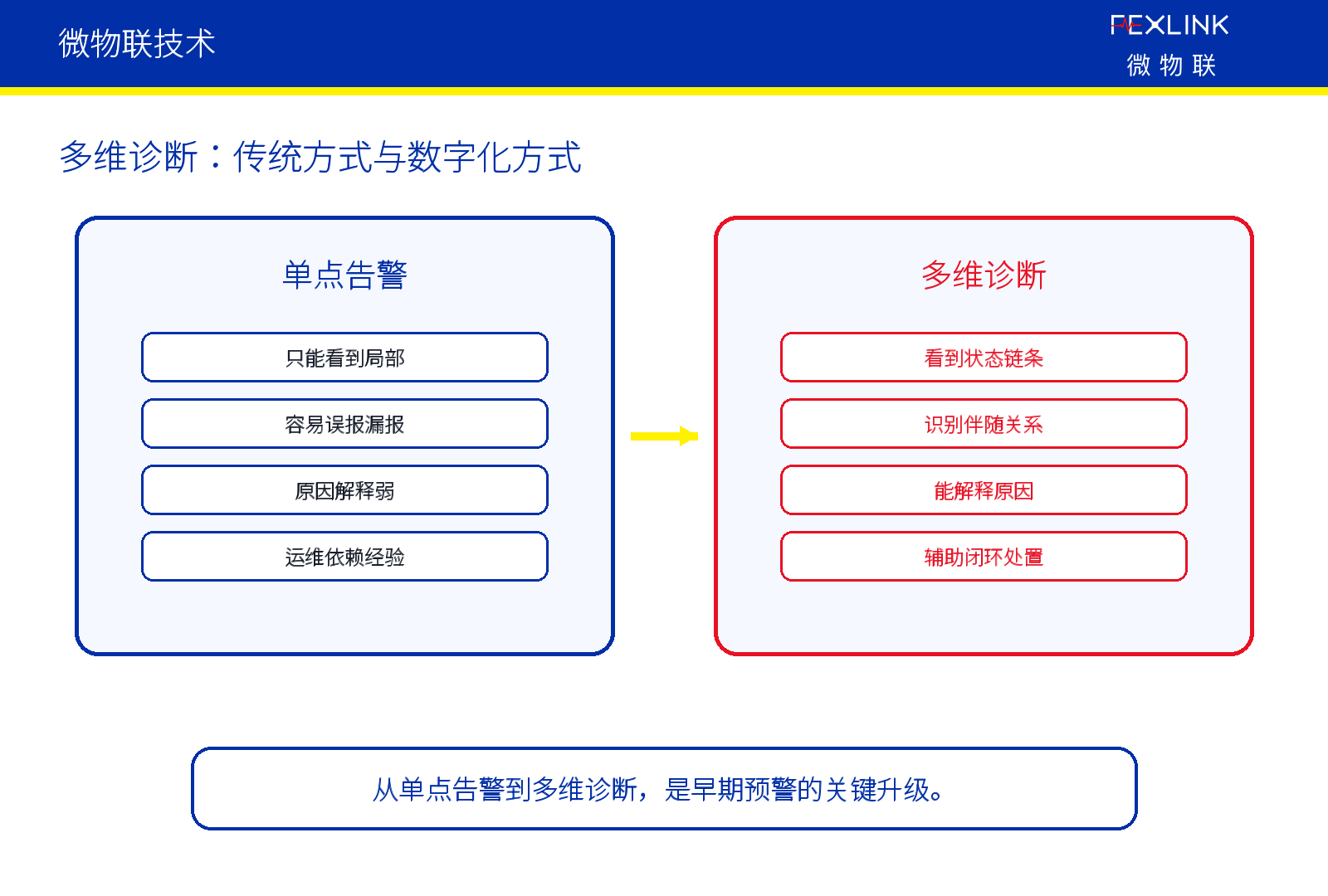
A single sensor can easily see parts, but it is difficult to explain the system. The temperature sensor can detect heat, but cannot directly explain the cause of heat; the leakage sensor can record leakage changes, but cannot independently judge the effects of environment, insulation and load; the current sensor can see fluctuations, but does not necessarily know whether the fluctuations are dangerous.
Without correlation analysis, the system is prone to false positives or false negatives. False positives will consume operation and maintenance energy, while false negatives will miss real risks.
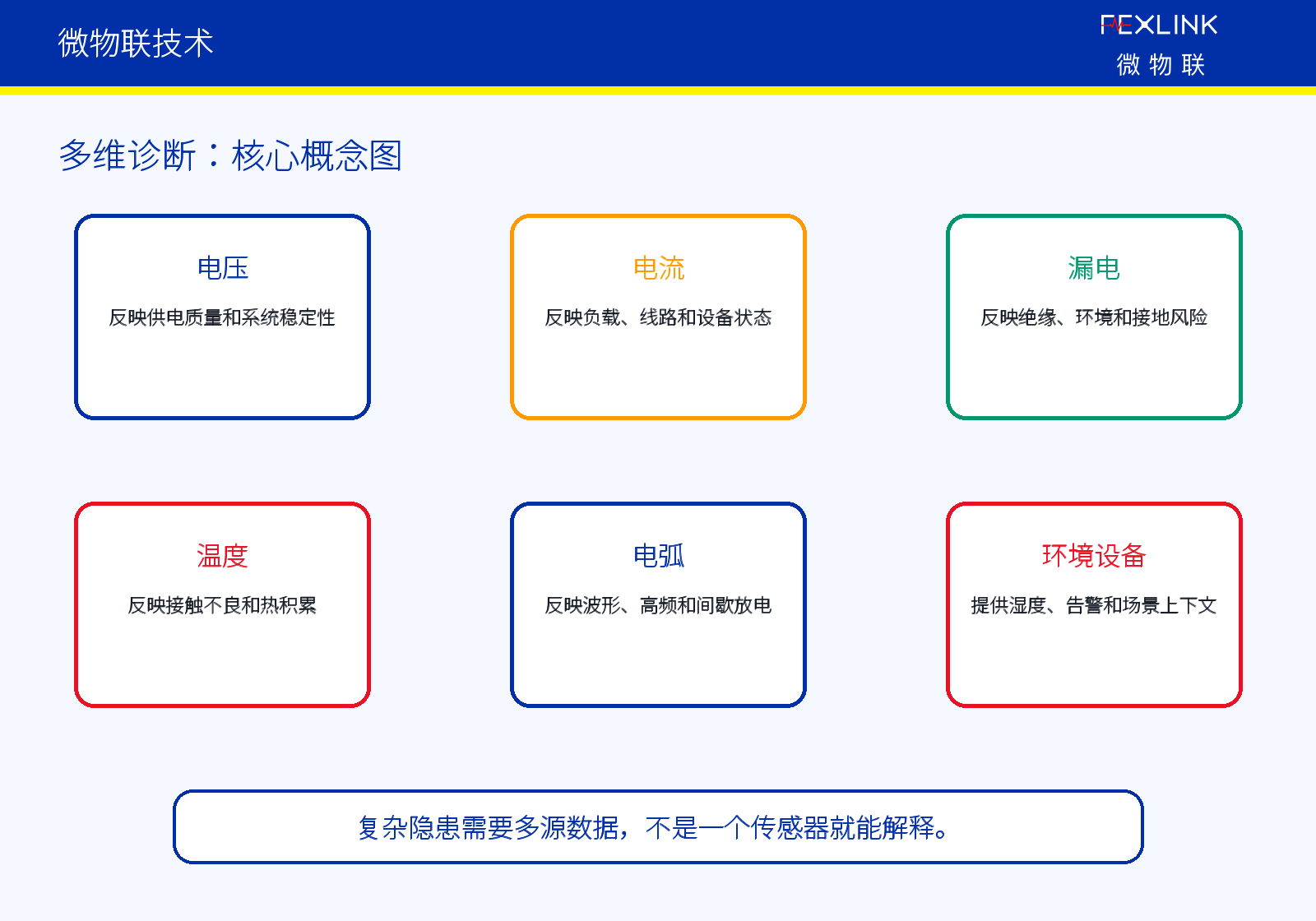
3. What to look for in multi-dimensional integration
Multi-dimensional diagnosis should at least include voltage, current, leakage, temperature, high-frequency signals, harmonics, grounding status, environmental conditions and equipment alarms. Different data answer different questions: voltage depends on power supply quality, current depends on load status, leakage depends on insulation and environment, temperature depends on connection and heat accumulation, and arc characteristics look on dangerous discharge.
Only by putting these data on the same timeline can we determine whether the anomaly comes from the same source and whether the risk is escalating.
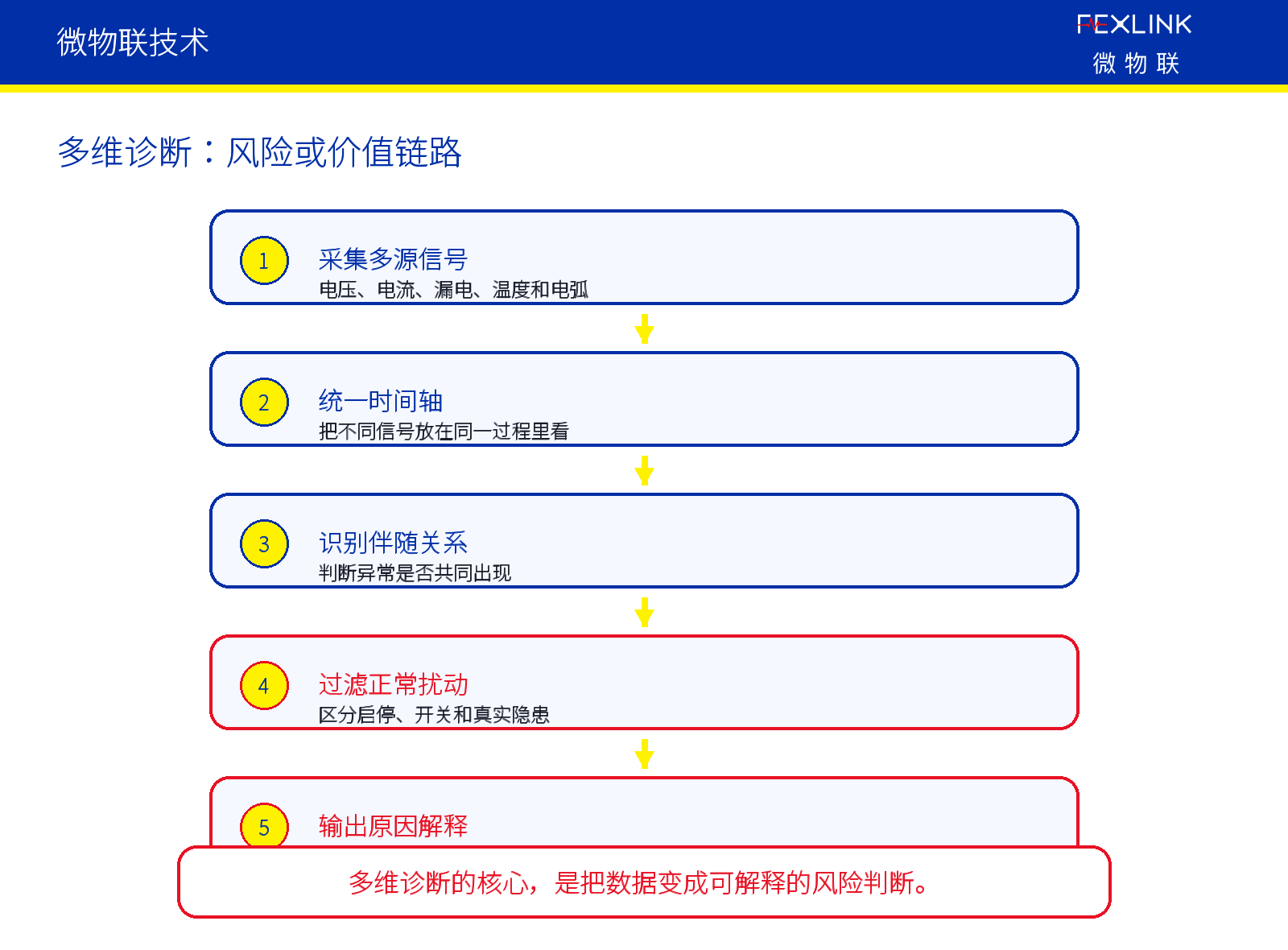
4. Fusion is not a simple superposition
Connecting multiple sensors to the platform does not equal multi-dimensional diagnosis. True fusion requires time alignment, scene recognition, trend judgment, abnormal combination and normal disturbance filtering.
For example, current surges and voltage sag when the motor starts may be normal phenomena; but if it is accompanied by abnormal temperature rise and repeated high-frequency pulses, further judgment is required. The key to data fusion is to interpret the data in the context of the scenario.
5. How does FEXLINK understand multi-dimensional diagnosis?
FEXLINK believes that the core of early warning for electrical safety is multi-dimensional dynamic diagnosis. FEXLINK should extract explicit features and recessive features from electrical signals, and output risk levels, cause explanations and disposal suggestions through rapid end-side calculation and cloud trend analysis.
A single sensor can only provide clues, and multi-dimensional fusion can form a judgment.
Conclusion: Complex hidden dangers require system-level judgment
Electrical hazards do not occur in isolation, and early warning cannot rely on a single signal. Only by integrating multi-source data can we move from simple alarms to real hidden danger portraits.
FEXLINK technology will continue to share content related to intelligent lightning protection, early warning of electrical safety, digital power distribution, energy supervision and industrial Internet of Things.
FEXLINK/FEXLINK uses data to reconstruct energy efficiency and electrical safety.
Where there is electricity, there is FEXLINK.